Case
- Home
- Case
CASE
Company Case
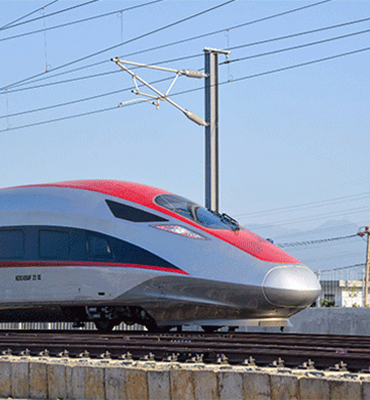
INDONESIA Jakarta-Bandung High-speed Railway
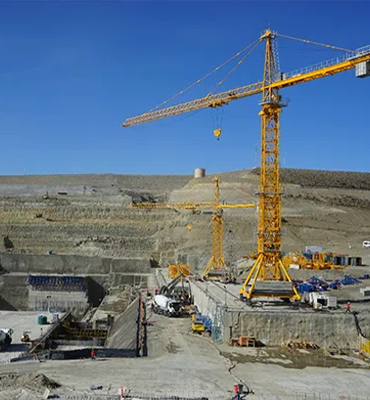
ARGENTINA Santa Cruz River Hydroelectric Station

PAKISTAN KKH Highway
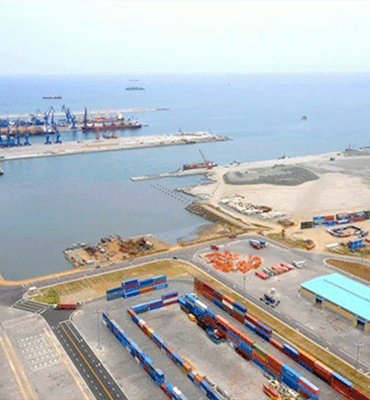
EQUATORIAL GUINEA Bata Port
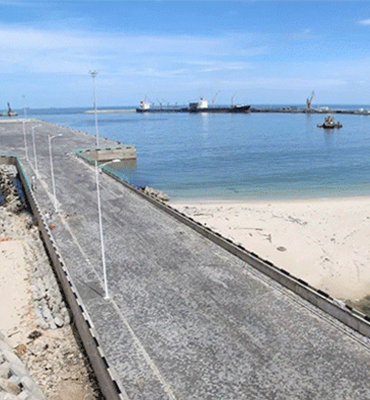
MAURITANIA Friendship Port
>> FAQ
Most Popular Frequent Questions
In order to prevent the safety risks, a series of measures should be taken. In terms of equipment, it is necessary to ensure that the equipment is installed with effective safety protection devices, such as the guardrail of the steel bar cutter, the anti - steel - bar - popping - out device of the steel bar bender, etc. Operators should be given strict safety training so that they clearly understand the safety operating procedures of the equipment and strictly abide by them during the operation process. Regular safety inspections of the equipment should be carried out to timely discover and eliminate safety hazards, such as checking the insulation performance of the electrical system and the connection situation of mechanical parts. At the same time, a good working environment should be provided for operators, such as taking noise - reduction and vibration - reduction measures to reduce the impact of noise and vibration on operators.
Daily maintenance is crucial for the service life and performance of steel bar processing machines. For steel bar cutters, it is necessary to regularly clean the iron filings and debris on the cutters to prevent the cutters from wearing out more severely, and at the same time, check the tightening situation of the cutters. If there is any loosening, tighten it in time. For steel bar benders, it is necessary to regularly lubricate the turntable and transmission parts. Generally, an appropriate amount of lubricating oil should be added every certain working time (such as weekly or every 50 working hours). For steel bar straighteners, it is necessary to often check the wear situation of the straightening wheels. When the straightening wheels are worn to a certain extent, they should be replaced in time, and it is also necessary to regularly clean the dust and debris inside the straightener to ensure the normal operation of the equipment.
Before operating steel bar processing machines, first of all, it is necessary to check whether all parts of the equipment are normal, including whether the cutters are sharp and whether the transmission parts are flexible, etc. Secondly, it is necessary to ensure that the electrical system of the equipment is safe and reliable, and check whether the wires are damaged and whether the grounding is good, etc. Operators must be professionally trained, be familiar with the operating procedures of the equipment, and wear corresponding protective articles, such as safety helmets and protective gloves. It is also necessary to check whether the work site is flat and clean to avoid equipment tipping or steel bar rolling and hurting people during the operation process.
For steel rod cutting machines, the accuracy of cutting length directly affects the use of steel bars and the quality of the project. If the deviation in cutting length is too large, problems may arise during the connection and assembly of steel bars. For example, when combining steel rod skeletons, inconsistent steel bar lengths may result in irregular shapes of the skeletons. For steel rod benders, the accuracy of the bending angle is related to the shape accuracy of steel rod components (such as Stirrups). An inaccurate bending angle may cause the stirrups to fail to cooperate correctly with other steel bars, thereby affecting the stability and bearing capacity of the entire steel rod structure.
When selecting a steel rod processing machine that meets your specific engineering needs, there are several factors to consider. Firstly, it is essential to assess the scale of the project. If you are handling a large-scale construction project that involves processing a significant amount of steel bars, you will need a machine with higher power to ensure efficient production. Secondly, the material and specifications of the steel bars should be taken into account. Thicker, higher-strength steel bars require more power to operate the equipment during processing. For instance, for high-strength steel bars with a diameter exceeding 25mm, a steel rod bender with a power of 5-10 kilowatts may be necessary. Additionally, the power supply conditions on the construction site must be considered. If the power supply is limited, it is advisable to choose equipment with moderate power and energy efficiency to conserve resources.